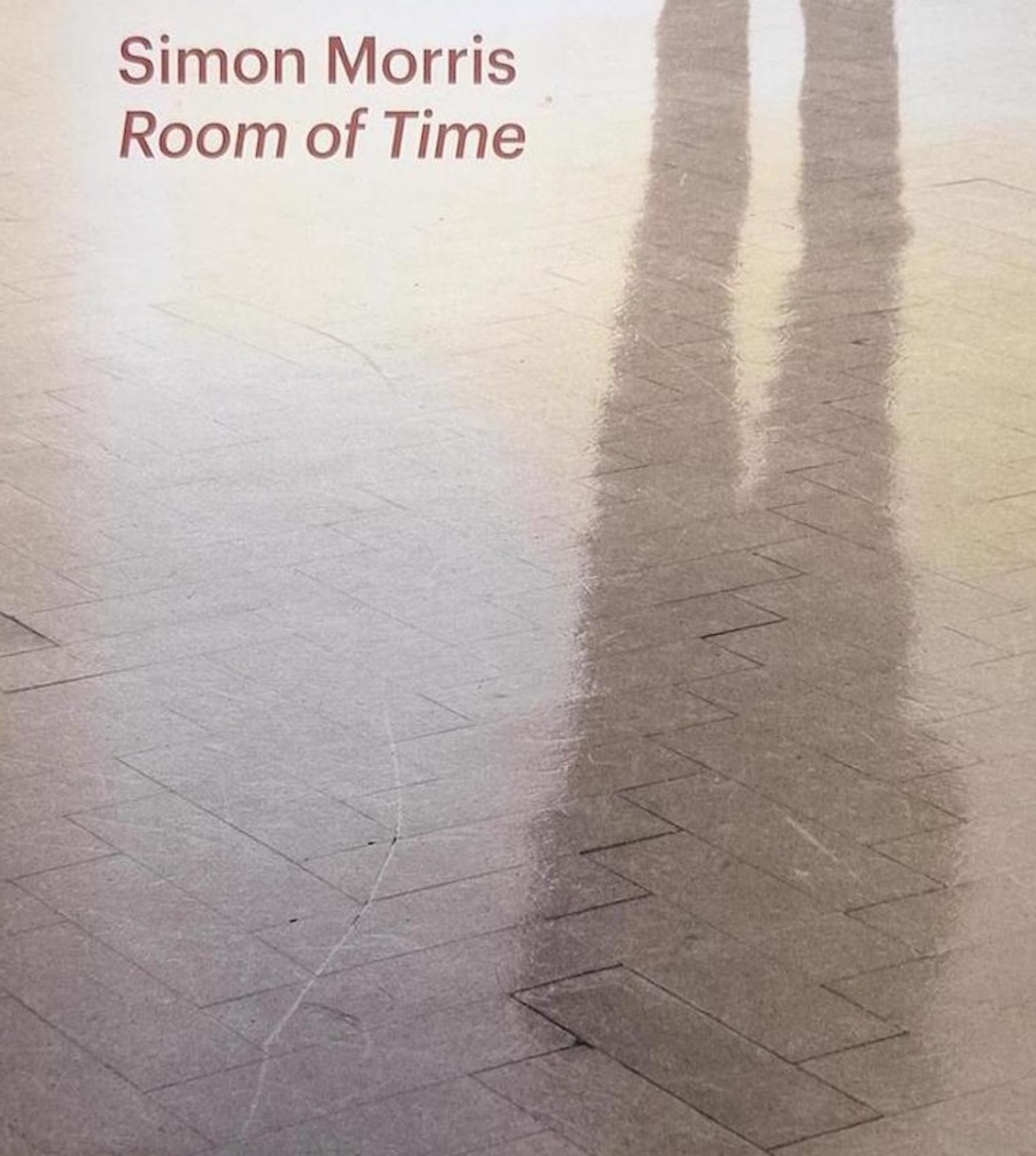
In 2015 a number of plans were floated to redevelop the interior of City Gallery Wellington Te Whare Toi. One idea proposed the opening up of the entire ground floor space. The north-facing windows at the far end of the Hancock Gallery would be removed, and replaced with a second entrance, directly opposite the existing one. This new thoroughfare would allow visitors to stroll through the gallery between Harris Street and Te Ngākau Civic Square. It is an architect’s dream, invested in notions of ‘civic space’ and the faded glory days of the Square as ‘the heart of the city’. It would not, however, have served either art or gallery practice. Both depend on controlled climatic conditions and clear demarcations between gallery and non-gallery interactions and behaviour—even when they pretend they don’t.
The proposal solved this problem by removing art from the equation entirely. The two long walls that run down this space would also be removed, opening up the original shell of the building. The intention here was to let more ‘life’ into the gallery in the form of ‘social spaces’—which essentially meant some additional seating and an expanded retail and café offering. The architectural renders show a couple of bright, poppy art works clinging to the few remaining bits of wall. They are likely prints as, for the most part, original works would struggle to exist in those conditions. They are probably unsold posters from the shop.
This decidedly anti-art proposition was shelved (for the time being at least), but it did suggest a solution to some of the inherent problems with the Hancock Gallery, which is far from optimal as an exhibition space. Light floods through the glass frontage and the north-facing windows, visibly stretching deep into the gallery space, bathing the walls—and anything hung on them—in direct light. Blinds are pretty much permanently drawn, but even these fail to offer the necessary protection against the natural elements. Often, a wall is constructed right in front of those windows to block out the light and the world entirely. While art-friendly, this wall can create a claustrophobic and unwelcoming cave-like vibe. When removed, there is a palpable sense of visitors, and the building itself, being able to breathe again.
The windows are just part of the issue. Those long parallel walls push and pull visitors up and down the length of the gallery, making it difficult for artists and curators to sustain a coherent artistic experience or argument. The construction of a false wall once again provides an answer here by creating a more rounded field of activity. Unaltered, the space seems to work best in the least interesting way possible: as two facing ‘display’ walls. A further complicating factor is that this is also a multi-use space. It must be able to transform from a gallery into a foyer, a backdrop for a gig or an opening, even, occasionally in the past, a wedding. Seen in light of all of these issues and functions, the architect’s proposal to separate these activities and eliminate the art makes some sense. Perhaps, though, there is a way to embrace art more fully in this space, to position art as a potential solution, rather than as a problem to be solved. Is it possible to find a happy marriage of ‘art’ and ‘life’ in between these windows and two walls?
Enter the abstraction of Simon Morris. Morris’s practice has circled these issues around the art/life divide for years, stretching those once so carefully guarded, self-referential logics of geometric abstraction around the messy realities of time, space and the body—his, and ours. Morris has eyed up the Hancock Gallery for years. He is not interested in this gallery as a neutral container, or a surface onto which he can exercise his artistic will, but as a contested, compromised, and living space that can exercise its will on his work. It offers everything Morris seeks in a site: an exchange of energies and actions.
Morris takes the architecture on its own terms. He doesn’t bring art to insert into the space. The work is made in and through a dialogue with it over a designated period of time, using a set range of tools and parameters. At the end of the exhibition, the work will be painted over, disappearing without a trace. He has no interest in using a light-blocking wall, and, for the first time in living memory, the blinds have been raised to expose the windows. Light floods into the space, directly impacting and transforming the work in unpredictable ways at different times throughout the day, across both spring and summer seasons. Room of Time shares the downstairs gallery spaces with the exhibition Joanna Margaret Paul: Imagined in the Context of a Room. Paul sometimes adopts a position from inside the domestic environment in her paintings, looking out to the world through a window. Morris pulls in the other direction for the same effect. He lets the outside world and the realities of daily existence flood into his work and the gallery—materially and symbolically through those windows.
Walking Drawing (the title of the work that makes up the exhibition Room of Time) moves up and down those two side walls, emphasising, rather than masking, the awkward, elongated nature of the space. The experience of this gallery could be called runway-like, especially after an earlier intervention has made it difficult to see in any other way. In 2020, the art collective FAFSWAG inserted a raised runway right down the centre of this gallery. It was for an Aitu Ball, a vogue event which, when brought to the gallery context, provides space for queer and indigenous bodies inside the white cube. Morris’s wall drawing is of an entirely different order. Yet, it activates the space in a way that imbues it with the presence and movement of his body as maker, and those of all visitors who follow or track the path up and down the walls it maps out. Like the FAFSWAG performance, his drawing calls forth other bodies, other movements and other actions. Perhaps what all of this activity suggests is that we do not need to expel art from this space to make social and communal experiences possible.
Walking Drawing is Morris’s fourth site-specific work at City Gallery Wellington Te Whare Toi. Collectively, these works represent a sustained encounter with these spaces and audiences stretching back almost twenty-five years. These drawings have contested one another, the architecture, and the conceptual parameters of abstract art. One consistent element has been the use of the window as activating agent. The first was for the exhibition Signs of the Times: Sampling New Directions in New Zealand Art (1997). Morris stretched a line drawing across an alcove wall in the West Gallery—drawing attention to the window that was hidden behind it. He followed this two years later with a wall work in the old Hirschfeld Gallery, now the Gallery shop. Morris’s gloss varnish drawing was invisible until hit by the direct light that entered through an exposed window, and could only then be seen when experienced from certain angles dependent on the viewer’s movement through that narrow space. Then, for Telecom Prospect in 2001, he used signwriter’s vinyl on the glass facade at the entrance of the gallery to create a painting that crossed the threshold between the inside and outside of the building. The work scrambled that relationship between the abstract image and the real world, or between what happens inside art galleries and outside of them. Room of Time calls forth and extends these earlier works, and others that have taken place in other gallery and non-gallery spaces around Aotearoa and the world.
Walking Drawing was made by Simon Morris over a ten day period between 19—29th September 2022 in the Hancock Gallery of City Gallery Wellington Te Whare Toi. Five writers were invited to respond to the work. This publication features those responses, documentation of the wall drawing, and an appendix of earlier related works.
Published in Simon Morris: Room of Time, City Gallery Wellington Te Whare Toi, 2023
 AARON LISTER